The Science Behind Cold Laser Treatment for Pet Dogs: Exploring Its Healing Characteristics and Applications
Cold laser treatment for pet dogs uses low-level laser light to promote healing and reduce discomfort. This technique concentrates on specific wavelengths that improve mobile functions, particularly in mitochondria. By increasing ATP manufacturing, it helps in minimizing swelling and accelerating tissue repair work. The ins and outs of its systems and the array of conditions it deals with continue to be to be fully discovered. Understanding these elements can clarify its expanding role in vet medicine.
Understanding Cold Laser Therapy: Concepts and Systems
.JPG)
Consequently, LLLT boosts mobile repair work and regrowth while modulating inflammation and pain signaling pathways. The treatment can likewise promote enhanced blood flow, aiding in the delivery of nutrients and elimination of waste products, better supporting the recovery procedure. Cold laser treatment is typically considered risk-free, with very little adverse effects, making it a feasible option for different problems in pets, including soft tissue injuries and post-surgical recovery. Recognizing these principles assists clear up the therapy's potential applications in vet medicine.
The Benefits of Cold Laser Treatment for Dogs
Cold laser treatment supplies significant benefits for dogs by providing efficient pain alleviation and promoting a sped up recovery procedure. This non-invasive therapy boosts mobile activity, helping in tissue fixing and reducing discomfort. Consequently, several pets experience improved flexibility and general well-being.
Discomfort Alleviation Device
Laser treatment properly minimizes discomfort in pets by utilizing particular wavelengths of light that penetrate the skin and promote mobile activity. This procedure advertises the launch of endorphins and lowers inflammation, providing a non-invasive alternative to conventional discomfort monitoring methods. The light emitted during therapy connects with the mitochondria in cells, boosting their power manufacturing and facilitating the repair work of broken cells. Because of this, canines experience decreased discomfort from problems such as joint inflammation, post-surgical discomfort, and soft tissue injuries. Additionally, cool laser therapy is well-tolerated, making it suitable for dogs of all sizes and ages. This cutting-edge method to discomfort alleviation provides family pet owners a risk-free and reliable means to enhance their canine's lifestyle.
Accelerated Healing Process
Lots of pet dog proprietors have observed considerable renovations in their pet dogs' recovery times adhering to surgical treatments or injuries when using chilly laser therapy. This non-invasive therapy advertises mobile regrowth and improves blood flow, assisting in accelerated healing. Cold laser treatment boosts the production of ATP, the power currency of cells, which helps in tissue repair work and lowers swelling. In addition, it encourages collagen synthesis, important for injury recovery, while decreasing scar cells formation. Therefore, dogs experience faster recovery and a return to normal tasks, improving their general lifestyle. The therapy is especially valuable for post-operative care, soft tissue injuries, and conditions like arthritis, supplying an all natural approach to canine rehabilitation and well-being.
Usual Conditions Dealt With With Cold Laser Treatment
While different treatments exist for taking care of canine health, cold laser treatment has arised as a popular non-invasive treatment alternative for several common conditions. This healing strategy is frequently utilized to ease discomfort associated with arthritis, joint conditions, and post-surgical recuperation. Along with discomfort management, cold laser therapy is efficient in dealing with soft cells injuries, consisting of strains and pressures, by promoting cellular repair and minimizing swelling. It is additionally utilized for skin disease, such as hot spots and infections, as it enhances the healing process. Furthermore, cold laser therapy can aid in treating neurological disorders and improve mobility in dogs experiencing degenerative diseases. As a flexible treatment modality, it offers pet dog proprietors an appealing option to conventional medications, minimizing adverse effects while giving efficient relief for their canine companions. On the whole, the application of cool laser therapy serves as an integral facet of detailed vet care.
The Therapy Refine: What to Expect
After understanding the problems that chilly laser therapy can resolve, family pet owners might question the therapy process itself. Typically, the initial step involves a consultation with a vet, who will certainly assess the dog's problem and identify if cool laser therapy is appropriate. When approved, the therapy sessions can begin, normally lasting between 5 to 20 minutes, depending on the area being dealt with and the seriousness of the problem.
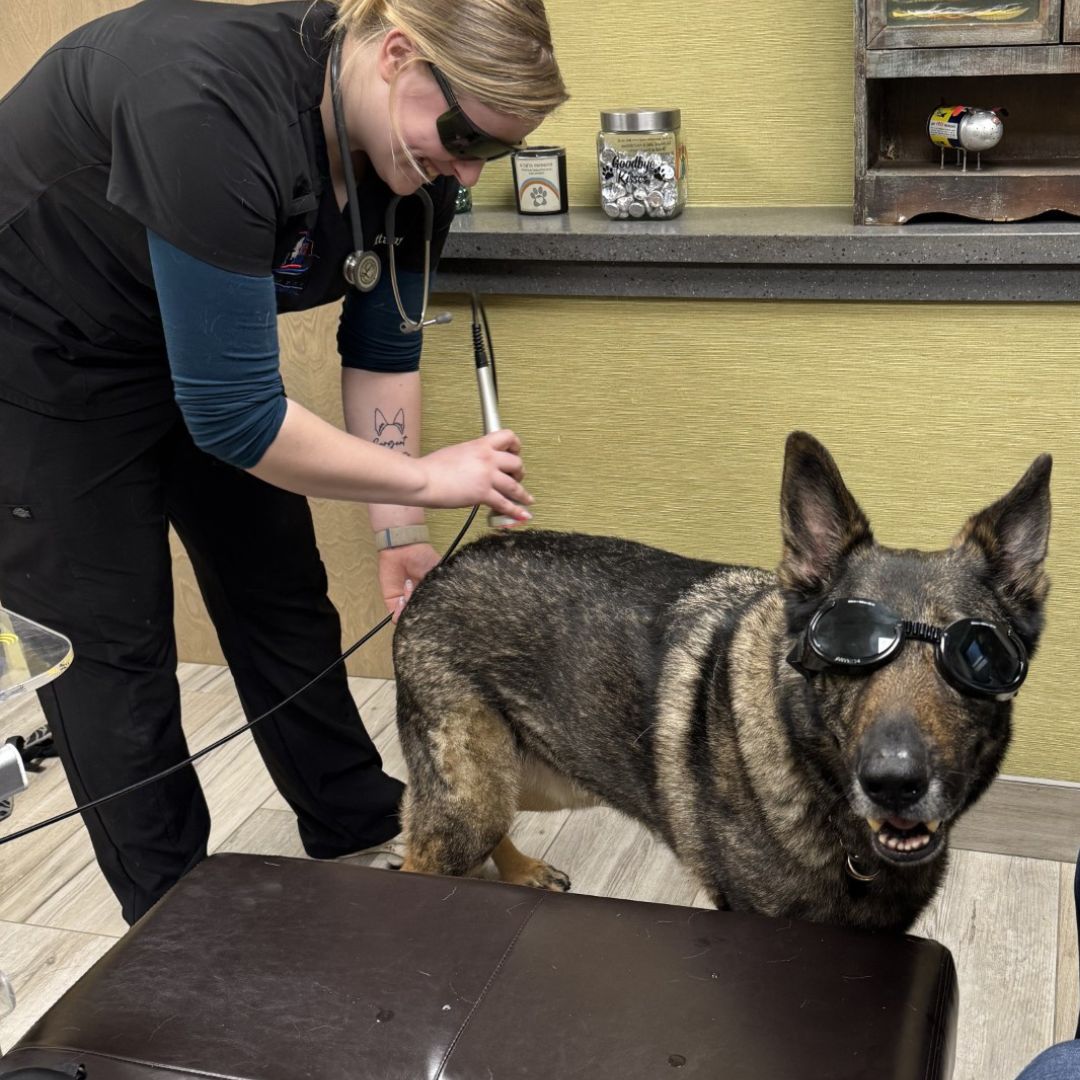
During the session, the pet may be placed conveniently, and the laser tool will be related to the affected area. The laser produces low-level light that passes through the skin, promoting cellular fixing and decreasing swelling. Most canines endure the treatment well, typically showing up loosened up and even drowsy. Complying with the preliminary sessions, family pet owners may discover renovations in wheelchair, pain decrease, and total well-being, with follow-up his comment is here sees scheduled to keep track of progression and readjust treatment as needed.
Security and Efficiency of Cold Laser Treatment
The safety and efficacy of chilly laser treatment for pets have actually been subjects of numerous research study studies. These research studies review possible side effects and overview treatment procedure standards to assure excellent outcomes. Cold Laser Therapy For Dogs. Understanding these aspects is important for animal owners considering this restorative choice for their pet dogs
Research Study Studies Introduction
Many research study studies have taken a look at the security and effectiveness of chilly laser therapy in canines, yielding promising outcomes. Professional tests have actually constantly demonstrated that this non-invasive treatment effectively reduces pain and advertises cells healing in various conditions, such as joint inflammation and post-surgical recuperation. Research studies suggest that cold laser treatment can boost cellular metabolism, reduce swelling, and boost collagen manufacturing, adding to improved recovery results. Additionally, the treatment is usually well tolerated by dogs, with marginal danger of unfavorable effects reported. Scientist stress the value of proper dose and treatment methods to take full advantage of benefits. On the whole, the body of proof supports cold laser therapy as a valuable alternative in veterinary medication, providing a secure and efficient alternative for taking care of pain and advertising healing in pets.
Prospective Negative Effects
While chilly laser therapy is normally concerned as secure for canines, possible adverse effects need to be considered. Some pets may experience moderate pain during or after therapy, including localized heat or tingling feelings. Hardly ever, short-term swelling or soreness at the application site may take place, which generally solves quickly. Allergies to the laser light or associated devices are unusual yet possible. It is additionally important to check pet dogs with details medical conditions, such as those with light level of sensitivity or particular cancers cells, as they may not respond well to this therapy. Consulting a vet prior to launching treatment guarantees that prospective dangers are analyzed and managed effectively, making best use of the advantages while lessening any damaging effects.
Therapy Method Guidelines
Establishing reliable therapy protocol standards is important for making best use of the safety and security and efficiency of chilly laser treatment in canines. Experts ought to conduct comprehensive evaluations, thinking about aspects such as the pet dog's age, weight, and certain health and wellness conditions. Treatment duration and frequency must be customized to the specific pet, normally varying from 5 to 30 minutes per session, with sessions arranged one to three times weekly. The ideal laser wavelength, generally in between 600 to 1000 nanometers, ought to be selected for perfect tissue infiltration and restorative impact. Additionally, monitoring the pet's action during and after treatments is crucial, enabling modifications in protocol as required. Complying with these guidelines assures a methodical method, boosting restorative outcomes while minimizing prospective risks.
Real-Life Success Stories: Pets Who Thrived With Cold Laser Treatment
As animal proprietors seek effective therapies for their dogs' disorders, numerous have actually turned to cool laser treatment, bring about exceptional recovery tales. One notable instance involved a Labrador Retriever called Max, who experienced severe arthritis. After numerous sessions of chilly laser treatment, his movement boosted considerably, enabling him to enjoy walks once more.
Another motivating tale features Bella, a Beagle recuperating from surgery. Cold laser therapy quickened her recovery process, minimizing swelling and pain, enabling her to go back to her spirited self in record time.
Finally, a German Guard named Zeus, identified with hip dysplasia, experienced a remarkable decrease in discomfort after going through cool laser treatments. His proprietor reported that Zeus became much more active and involved, changing their day-to-day regimens.
These success tales illustrate the potential of chilly laser therapy in improving the lifestyle for pets encountering various health challenges, providing intend to lots of family pet proprietors.
Regularly Asked Inquiries
How much time Does Each Cold Laser Therapy Session Typically Last?
Each chilly laser treatment session normally lasts in between 15 to 30 mins. The period may vary based on the specific condition being dealt with and the vet's referrals, making sure suitable effectiveness for the canine's healing process.
Can Cold Laser Treatment Be Made Use Of Together With Other Therapies?
Cold laser treatment can be used alongside other therapies, such as medicine or physical treatment. It commonly complements existing treatments, boosting overall recovery and pain alleviation without considerable interactions, making it a functional alternative for canine care.
Are There Any Kind Of Side Results Connected With Cold Laser Therapy?
Just how Typically Should My Dog Obtain Cold Laser Therapy?
Regularity of cold laser therapy for pet dogs generally ranges from once to three times weekly, relying on the certain problem being dealt with and the vet's recommendations. Regular evaluations ensure optimal healing and change treatment plans as required.
Is Cold Laser Treatment Suitable for All Dog Breeds?
Cold laser therapy is normally ideal for all pet types, but individual health and wellness conditions and level of sensitivities must be assessed. Consulting a vet assures the treatment is valuable and suitable for each details pet's needs.
Cold laser therapy for pet dogs utilizes low-level laser light to advertise recovery and alleviate discomfort. Cold laser treatment, likewise known as low-level laser treatment (LLLT), utilizes particular wavelengths of light to advertise recovery and reduce pain in canines. While numerous therapies exist for managing canine wellness, chilly laser treatment has arised as a prominent non-invasive therapy choice for several typical conditions. Cold laser therapy can be used together with various other treatments, such as medication or physical therapy. Cold laser treatment commonly has marginal side effects, imp source with some canines experiencing mild pain or short-lived inflammation at the treatment site.